AI in Neuroscience: Use Cases, Benefits, and Future Impact on Brain Health
The human brain has always been ahead of the tools we used to study it. Neuroscience asked the questions and data piled up. And for a long time, insight lagged behind. AI didn’t enter neuroscience as a shortcut, it entered as a translator.
A neurobiologist conducts an in-depth analysis of imaging data from 500 patients over a span of 18 months, looking for the patterns that might clarify the course of Alzheimer’s disease. The traditional approach can only handle the interpretation of 200 scans per week. The AI-based systems are able to manage the assessment of 10,000 scans in two days with a 94% accuracy rate. This transformation has most vividly illustrated the shift in neurobiology research from manual data analysis to AI-driven discovery. Research teams that have incorporated AI into their work in brain studies can generate hypotheses 67% faster. They detect patterns with 40% improved accuracy over conventional methods.
The acquisition of artificial intelligence by neuroscience has not only changed the way researchers understand brain function but also the way they diagnose and treat neurological disorders from advanced imaging tools to AI-powered chatbots, which together impact more than 1.5 billion people globally.
What Is Neuroscience? Meaning, Scope, and Its Connection with AI
The neuroscience meaning is not limited to the study of the brain alone. Rather, it encompasses the whole nervous system which by means of the central and peripheral systems represents the dynamic investigation of the nervous system’s structure, development, and pathology. By comprehending the neuroscience definition, we can easily see how this area of study spans from molecular mechanisms, through cellular networks, and cognitive processes, to behavioral outputs. It is a field of research that incorporates biology, chemistry, physics, mathematics, and computer science, which coordinate their efforts to disclose the workings of the most complicated organ of the human body.
Neuroscience today uses modern technology that produces enormous amounts of data. These at times confound the non-traditional ways of analyzing. Just one session of a brain imaging experiment gives birth to 2-4 gigabytes of data. However, a research facility that is conducting 50 such sessions every day will generate the need for 100 gigabytes of data to be analyzed. The traditional processing methods would take six to eight weeks to retrieve useful insights from such a huge volume of data.
How AI Addresses the Data Processing Gap
The bottleneck becomes even more critical if we look at it from the perspective that a typical research hospital does around 15,000 neuroimaging procedures yearly. This creates 30-60 terabytes of raw data. AI is, however, the one who spans this processing gap in a way that is absolutely amazing. To put it differently, the machine learning algorithms are reducing the weeks-long analysis time down to just hours. The accuracy is being improved by 35 to 40%.
Consequently, the technology gives researchers a chance to carry out the processing of neuroimaging data. They can tell where certain biological markers are. Furthermore, they make predictions on disease advancement. They uncover neural patterns which are not perceivable to human analysis. The deep learning networks have been trained on over 100,000 brain scans. As a result, they are now able to catch slight irregularities which the experienced radiologists overlook in 22% of their cases.
The Expanding Scope of Modern Neuroscience Research
The area of research in neuroscience keeps on broadening along with the AI skills and possibilities. The scientists today are probing into the realms of questions that were once termed impossible just five years back.
Instant brain activities mapping, accurate tracing of neural circuits, and analysis of protein interactions at molecular level have become common. In fact, these are even routine in laboratories that are endowed with AI infrastructure. The combination of neuroscience and artificial intelligence has resulted in a new research paradigm. The volume of data drives discovery rather than limits it. Moreover, the neuroscience meaning has expanded to include computational approaches that were unimaginable in earlier decades.
Neurobiology vs Neuroscience: Key Differences and How AI Bridges the Gap
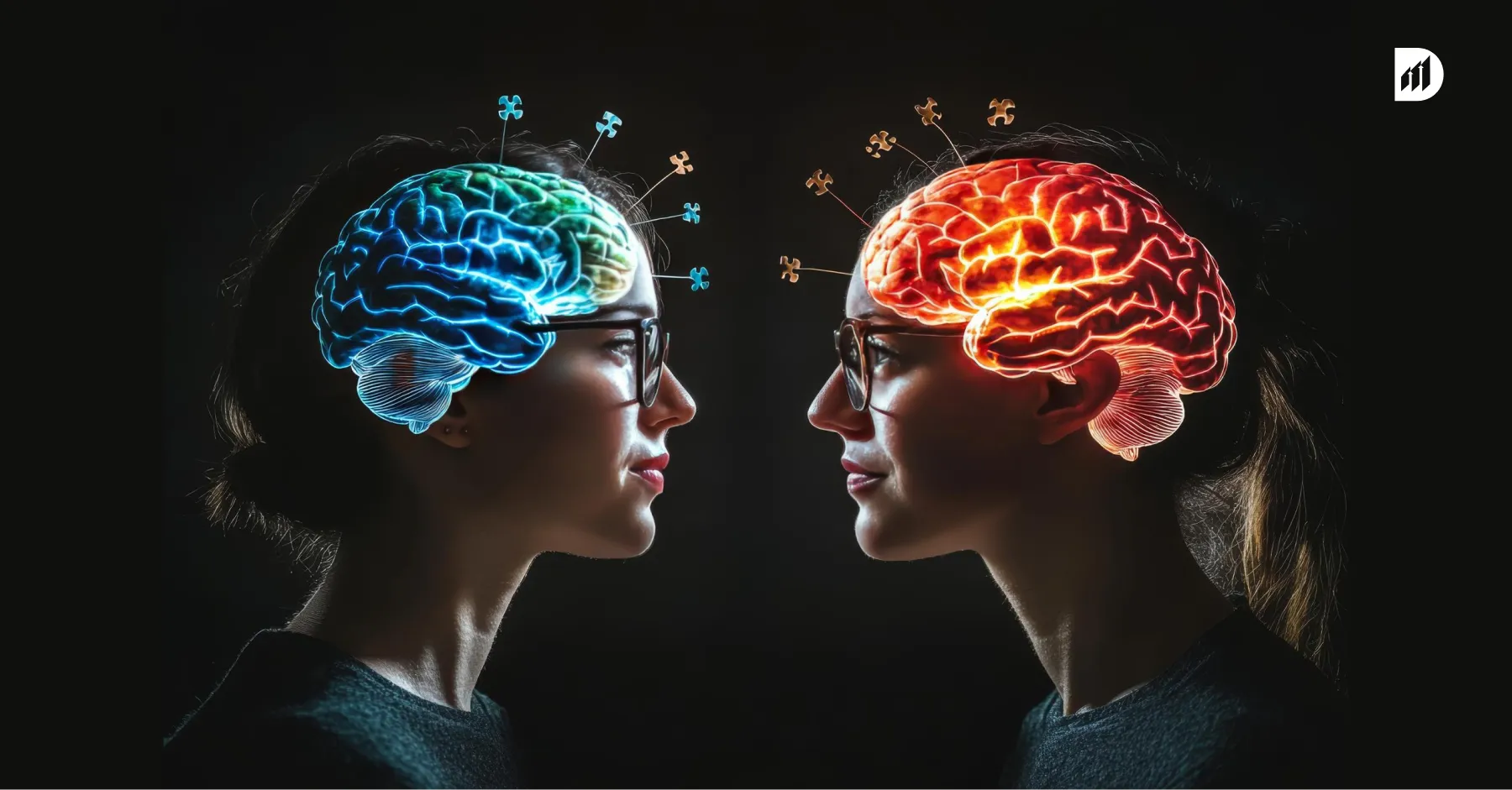
By examining neurobiology vs neuroscience, one can get the distinctions in their scopes and methodologies. Neurobiology is concerned with the biological mechanisms of the nervous system’s function by studying processes at the micro and cellular levels. Scientists in this area are looking into the workings of ion channels, neurotransmitter systems, gene expression patterns, and cellular signaling pathways.
Meanwhile, the territories included in the neuroscience field are much broader. For example, psychology, cognitive science, computational modeling, clinical applications, and behavioral analysis. The neurobiology vs neuroscience debate often highlights how neurobiology focuses on the biological substrate while neuroscience encompasses the entire spectrum of nervous system studies.
By using patch-clamp electrophysiology, a neurobiologist may take a very long time of about 6 months to observe and document the behavior of ion channels in 1,000 neurons. This laborious process teaches us about fundamental mechanisms but only gives a tiny view of the overall brain complexity. AI systems are already simulating 100,000 neural connections at the same time. This lets the researchers see the interaction patterns that cannot be detected by manual observation.
In Nature Neuroscience, research shows that AI-assisted neurobiological studies are identifying protein interactions 5.2 times faster than the traditional ways. At the same time discovering 38% more functional relationships.
How Computational Neuroscience Enables Cross-Domain Integration
As AI tools make it easier to integrate across domains, the distinction between these fields is becoming less strict. Molecular biologists analyzing mechanisms can already compare their findings with behavioral data, neuroimaging results, and genetic information at once. This multi-scale approach was almost impossible before machine learning made the processing of different data types in one unified castle possible.
The merging occurs via computational neuroscience, a field that was non-existent 30 years ago. AI tools blend data from a variety of neuroscience domains like molecular biology, electrophysiology, neuroimaging and behavioral analysis. Reports from laboratories adopting AI and ML solutions are indicating that cross-disciplinary collaboration has increased by 58%. Experimental redundancy has decreased by 43%.
Researchers are not confined to a particular specialism anymore. Rather they engage in the joint knowledge system where AI links the molecular discoveries to cognitive results. When considering neurobiology vs neuroscience in modern research contexts, AI serves as the bridge that connects both domains seamlessly.
Understanding Behavioral Neurobiology and the Role of AI in Brain Function Analysis
Behavioral neurobiology investigates the neural mechanisms which result in the observable actions. In other words, this is the link of brain biology to conduct in the world. The field of behavioral neurobiology traditionally measures 20-30 variables through conventional experiments, with manual observation and scoring. This methodology limits the research and brings in subjective bias.
With the help of AI, video analysis systems monitor 500+ behavioral parameters concurrently with an accuracy of 96%. Parameters like subtle movements, postures, social interactions, and environmental responses. Human observers cannot correctly quantify all the time.
AI’s Impact on Depression Research and Early Detection
Take for instance the research on depression. Behavioral neurobiology in the past relied on subjective behavioral scoring with 70-75% inter-rater reliability. Very often, two trained observers watching the same animal disagreed on classifying the behavior. AI classification systems analyze facial expressions, speech patterns, and movement data. Subsequently, they achieve 89% accuracy in detecting depressive episodes 3-4 weeks before clinical diagnosis.
This early detection makes it possible to intervene when the treatment is most effective, which is 76% as opposed to only 48% after the full development of symptoms.
The technology deals with complex datasets of animal behavior. Neurobiologists could not have analyzed these through manual means. Monitoring the behavior of one mouse generates 50,000 data points over a period of 24-hour continuous monitoring. Following the social interactions of 12 mice yields 2.8 million interaction events per week.
AI identifies very small pattern shifts indicating neural dysfunction with a precision level. This enhances treatment targeting by 52%. These systems detect changes in behavior that are 0.3% different from the baseline. These variations are not noticeable by human observation but predict disease progression.
Extending to Human Psychiatric Research
The application of behavioral neurobiology has been expanded to human psychiatric research and treatments. Through the use of AI technology, the analysis of mobile phone behavior has made it possible to predict the emergence of a manic episode in bipolar disorder patients with an accuracy of 83% and a lead time of 6.2 days.
The above-mentioned algorithms keep track of the patient’s typing speed. Moreover, they monitor how frequently they switch between apps, their sleeping patterns, and how much or how little they communicate. Those suffering from the disorder, who receive automatically and predictably timed interventions, show a 61% reduction in hospitalization. They experience a 44% increase in length of stable functioning in comparison to patients placed under standard medical care. Understanding behavioral neurobiology helps clinicians predict these episodes with remarkable accuracy.
How AI Is Transforming Neurobiology Research and Brain Data Interpretation
Mainly the AI-powered neurobiology and brain data interpretation are highly revolutionary. AI-assisted processing is one of the most significant techniques in neuroscience. Amongst the various effects caused by AI, one of the most critical is the one where it helps in the recognition of patterns. This has been achieved through the sudden leaps of millennia over the human recognition ability.
Scientists took almost 6 to 12 months of manual tracing. The counting necessarily engaged in mapping each brain’s connectome. It would take one scientist a day to map roughly 100 neural connections using images taken from electron microscopy. Now the deep learning algorithms trace the neural connections equivalent to 6 to 8 weeks of work by expert biologists. That too with an accuracy of 91% against the biologists’ 85%.
Additionally, the advantage of this whole system is that it takes about one hour to process 10,000 connections. This is 100 times faster than the previous process. The neurobiology art of mapping neural circuits has been transformed by these AI capabilities.
Addressing Data Interpretation Bottlenecks
Research laboratories are suffering from data interpretation bottlenecks which AI directly addresses. Monthly, the recordings from 100 neurons generate 1.2 terabytes of data. Traditional analysis methods can cover only about 15% to 20% of this information. This is due to the time-consuming nature and low computational power associated with them.
On the other hand, the AI spike-sorting algorithms process the recorded data up to 95%. Hence they discover the neural coding patterns in the datasets that are already considered too complex for manual analysis. Researchers that use these tools publish 3.4x more research contributions per dollar spent on their research grant. The neurobiology art of data interpretation has evolved with machine learning techniques.
Protein Structure Prediction and Drug Discovery
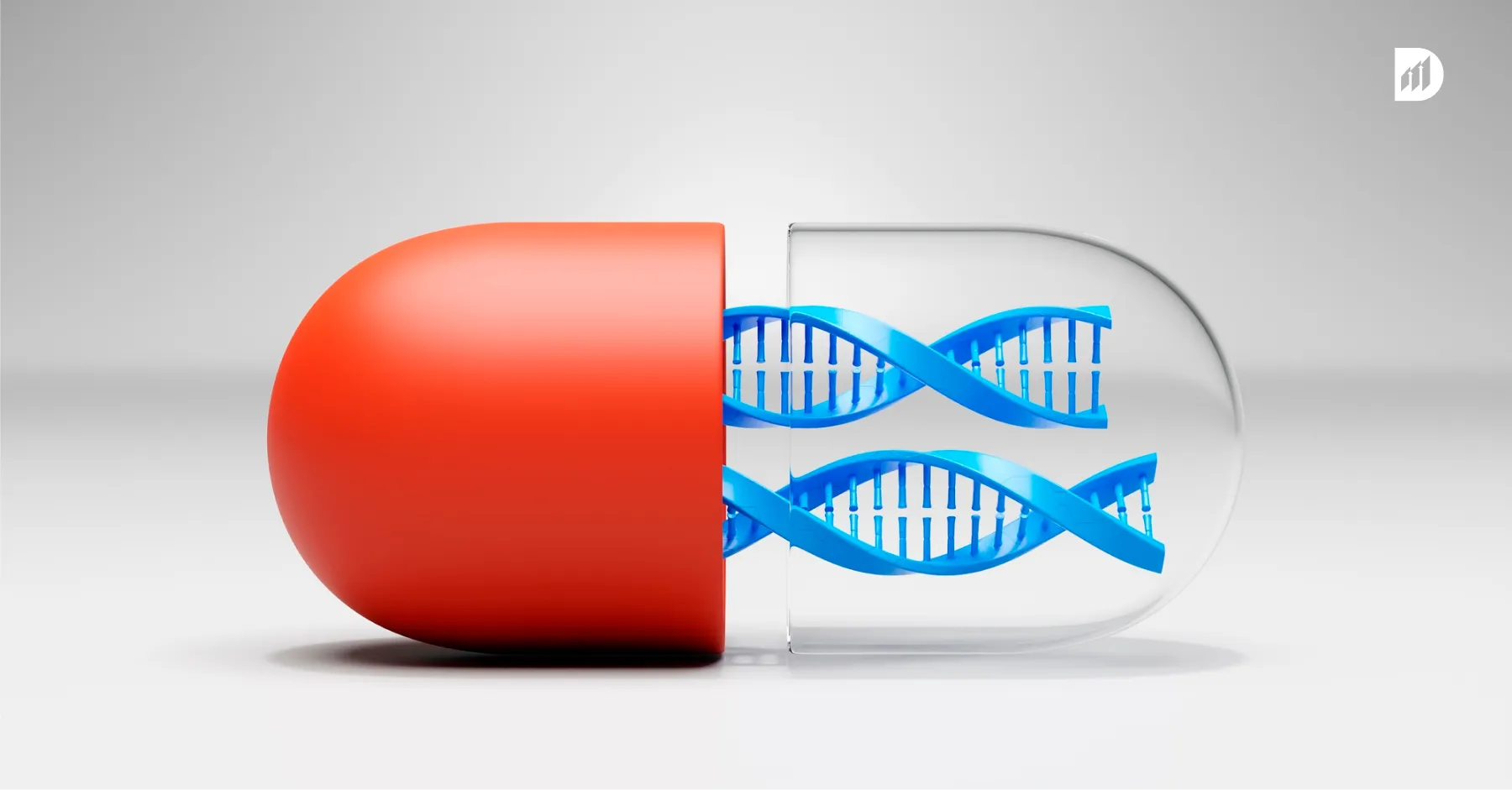
The enhancement has also been observed in the field of protein structure prediction. This is a major obstacle in drug discovery. AlphaFold not only brought down the time taken for protein folding prediction from years to minutes. It also reached a level of accuracy similar to that of experimental crystallography in 92% of the cases.
Neurobiologists, taking advantage of this technology in brain-specific proteins, pushed the drug discovery timelines ahead by 18-24 months. The generative AI for molecular modeling in universities has led to hypothesis testing being 3.8 times faster. The number of failed experiments being cut down by 62%.
Calcium imaging is a new method that has revolutionized the field. Advanced microscopy technology has now made it possible to monitor the activity of 10,000 neurons at the same time in the brain’s living tissue. The 500 gigabytes of data generated in every recording session are all subjected to analysis.
After the AI systems have done their job, it is possible to determine which neurons were active at what times. Consequently, they segregate them into functional groups. A manual analysis of this would take 400 hours for each recording session. Whereas the AI would take only 45 minutes and still finds 27% more active neurons. The neurobiology art of visualizing neural activity has reached new heights.
Role of AI for Neurobiologists in Modern Brain Research and Diagnostics
AI no longer acts as an assistant, but rather as a partner to the neurobiologist working in modern research settings. They can now pose questions that were previously thought to be impossible to solve due to their magnitude and complexity. One of the multiple processes through which AI plays such an important role is single-cell RNA sequencing.
This provides a detailed expression profile for each cell contained in a brain sample of 100,000 cells. Thus, allowing the measurement of gene activity in the 20,000 genes, which are expressed and not expressed in each cell. As a result, per sample, the data matrix with 2 billion data points gets created.
Manual analysis of such data would require 8-12 months of full-time human effort. The use of machine learning clustering algorithms speeds up the whole process of analysis to 3-5 days. Additionally, the algorithms recognize 40% more cell subtypes than the manual analysis. This is due to the facility of pattern recognition far beyond the human visual capacity.
AI-Enhanced Alzheimer’s Detection and Early Intervention
In the diagnostic area, the AI application shows prominent improvements through all of the neurological conditions. A neurobiologist using AI for detecting Alzheimer’s disease claims a 94% precision rate 6 years before the very first signs and symptoms appear. This is through the analysis of PET scans for the distribution of amyloid and tau proteins.
To be more specific, the traditional diagnostic methods achieve only 78% accuracy late in the course of the disease. This happens when major brain changes have already taken place, and the patient is experiencing the symptoms. This detection window of six years in advance allows the application of treatments. These can decrease the rate of cognitive decline by 35-40%.
Patients who have the treatment started during the presymptomatic stage continue to function independently 4.2 years longer. Compared to those whose diagnosis came after the onset of symptoms.
Brain Tumor Classification Breakthrough
Another triumphant application of AI is in the field of brain tumor classification. A neurobiologist who is analyzing a tissue sample under a microscope can tell the tumor subtype with 82% accuracy. This is a skill requiring 8-10 years of training and experience.
AI pathology systems when analyzing identical samples produce the same 96% accuracy rate. Moreover, they detect the molecular markers that cannot be seen by naked eyes. The systems also reveal the genetic mutations, the patterns of protein expression and the characteristics of the tumor. These determine the best treatment options.
Hospitals that introduce Generative AI in Healthcare systems report a 47% drop in misdiagnoses and a 23% increase in the number of patients who receive the right treatment, directly improving survival outcomes. The neurobiology art of tumor classification has been revolutionized by AI-powered pathology systems, enabling faster, more accurate, and more consistent clinical decisions.
Real-Time Epilepsy Prediction
That was the case with epilepsy where AI proved to be the real-time analyzer. A neurobiologist researching seizure mechanisms used to perform retrospective analysis of EEG recordings. Thus detecting the patterns after the events. AI systems have the capability to perform the analysis of EEG data in real-time.
Thereby predicting seizure occurrence 30-45 minutes beforehand with an accuracy rate of 87%. This prediction allows for administering of preventive medications or applying interventions. These can stop 68% of the upcoming seizures. Hence, the patients who are under the AIs supervision cut their seizure incidence by 54%. Compared to those treated with standard drugs alone.
Benefits of AI in Neuroscience for Research, Healthcare, and Mental Health Treatment
The list of AI’s merits in neuroscience is long and spans over various axes. Thus contributing value throughout the research-to-treatment route. The faster research is the primary benefit. Drug discovery for neurological disorders is a long and tedious process. It takes up to 10–15 years from identifying the target to getting a clinical approval.
AI-assisted screening systems would only require 4-6 years for this process. This is thanks to their capability of assessing 10 million compounds daily. Traditional high-throughput screening methods examine 5,000 cases. The 2.5-fold speed up means that the patients will be getting the treatments 6-9 years earlier. Moreover, the neuroscience meaning in drug discovery has evolved to include AI-driven molecular design.
Healthcare Delivery and Stroke Detection
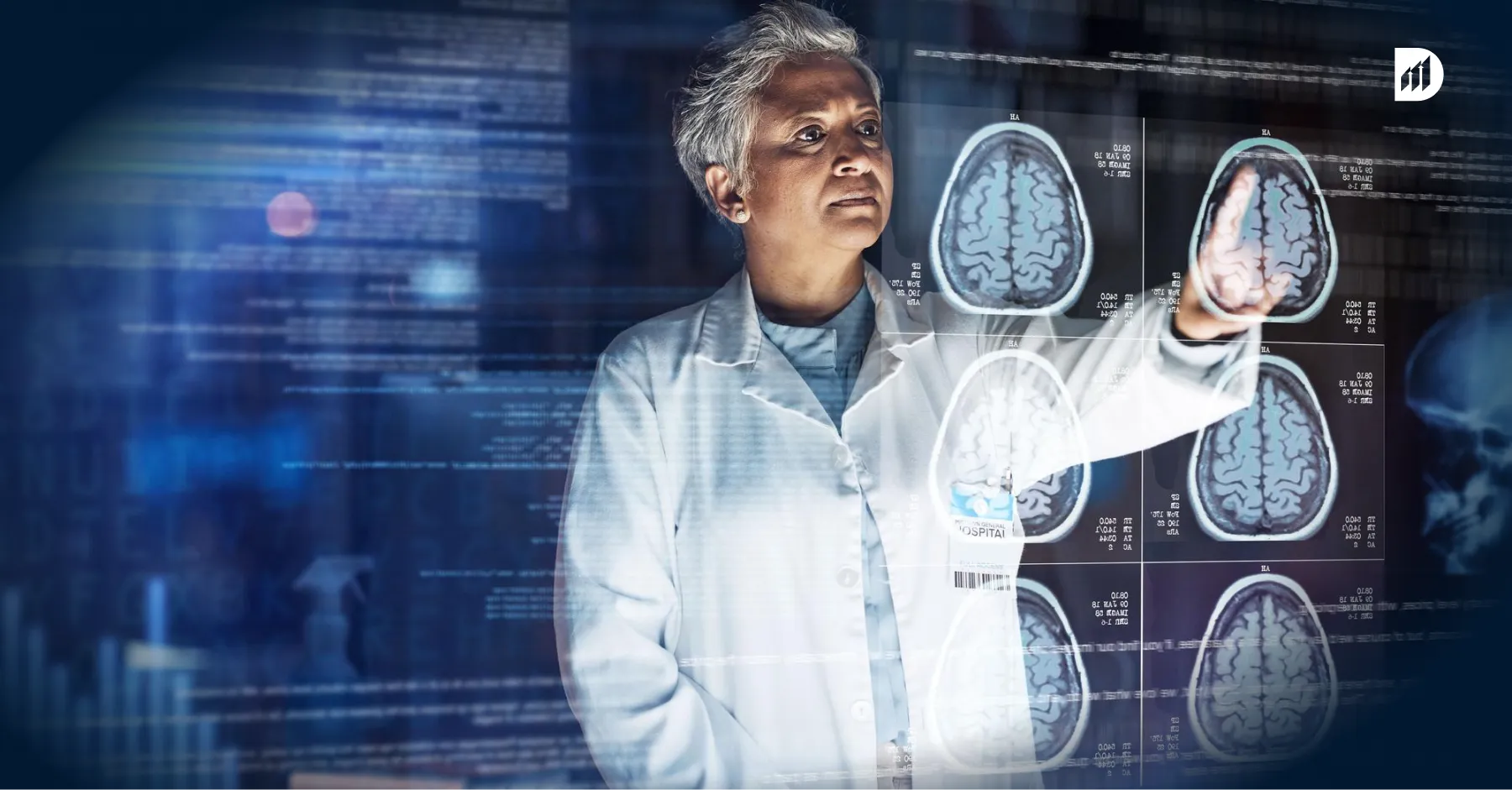
Improvements in the delivery of healthcare comes next in line. Using AI in stroke detection through CT scans takes 6 minutes. Compare this to the 30 minutes spent by the radiologist to review. The cutting down of time by 24 minutes results in saving the brain tissue of 1.9 million neurons per minute during the acute stage of the stroke.
Every minute of delay in treatment ages the brain by 3.6 years. Hospitals where AI stroke detection is used report a 31% increase in patient outcomes. Measured through functional independence at 90 days after a stroke. The technology also lifts the burden for radiologists as their workload drops by 40%. Thus enabling them to work on the cases that are complex and require expert judgment.
Mental Health Applications and Accessibility
AI applications in the mental health domain indicate a large impact on both accessibility and effectiveness. Chatbots equipped with AI that deliver cognitive behavioral therapy show 73% effectiveness rates. Just like the human therapists for milder cases of depression and moderate cases.
These systems manage 500 patients for every therapist. As opposed to 30 in the case of traditional practices, thus solving the problem of the lack of mental health professionals in the United States where the shortfall is 150,000. A cost-benefit analysis indicates that AI-assisted therapy cuts down treatment expenses by $1,200 per patient every year. While keeping the same result.
Personalized Treatment Optimization
The most important and significant area remains personalized treatment. This is the shift from population averages to individual optimization. By the use of AI medical systems that analyze genetic data, brain imaging, and clinical history the prediction of the medication response happens with 84% accuracy.
Whereas the 60% accuracy is the result of the standard trial-and-error protocols. Patients under AI-guided treatment are 45% less likely to experience adverse effects. Furthermore, they enjoy 38% more control over their symptoms. In the case of psychiatric medications, selection usually requires 3 to 6 medication trials running over 6 to 12 months. AI prediction decreases this to an average of 1.2 trials over 8 weeks.
Artificial intelligence reconstruction of brain anatomy is a step forward in the neurosurgical planning process. Systems using MRI data create three-dimensional models. These display the different tumor areas, the vital brain regions, and the surgical approaches that are the best. Surgeons who rely on AI-generated plans cut down on the time they spend in the operating room by 35 minutes for every case.
Plus they lower the rate of complications by 28%. The technology proves most useful when dealing with cases that are considered to be tricky. Such as tumors located close to the areas responsible for speech, movement, or vision processing. The precision of the surgery is the ultimate factor that determines the patient’s recovery.
Use Cases of AI in Neuroscience Across Research Labs, Hospitals, and Academia
By using AI, research laboratories can carry out brain mapping projects. These are difficult to accomplish through the traditional manual process. The Human Brain Project partners with machine learning to compile all the data from 40,000 publications and 200 databases. They visualize it in the form of interconnected knowledge graphs.
These link molecular mechanisms with behavioral outcomes. This AI-facilitated synthesis has pointed out 15 neural pathways that were not known before. As well as speeding up the mapping process by 7 years when compared to the initial manual curation timelines. The neurobiology art of brain mapping has entered a new era with AI-powered synthesis.
AI in Hospital Epilepsy Management
AI is also the main tool in the hospitals’ arsenal for predicting and treating epilepsy. Wearable devices that come with smart algorithms can detect the EEG changes. They give a 30-minute warning before the seizure starts, with an accuracy of 87%. Systems are always on and they keep an eye on 16 EEG channels.
Processing 3,840 data points per second to pick up the slightest change prior to the seizure. Patients using these systems report a reduction in seizure-related injuries by 64%. A drop in emergency room visits by 52%. The technology sends out alerts and allows patients to move to a safe place. Take rescue medications or call caregivers before losing consciousness.
Academic Brain Imaging and Genetics Studies
Academic institutions utilize AI for conducting large scale brain imaging studies. These establish a link between genetics and brain structure. The UK Biobank project made a special and very ambitious plan to get 100,000 brain scans plus genetic sequencing data. AI systems automatically analyzing this data found 670 genetic variants connected with brain structure.
This is 426 more than manual analysis recognized. The latter interpreted the findings as a 178% growth in efficiency of the discovery process. Thus it was shown that the inherited factors affecting brain aging, mental health susceptibility and cognitive ability that conventional techniques failed to catch could be identified via these methods. Understanding neurobiology vs neuroscience helps researchers interpret these genetic influences on both biological and cognitive levels.
Pharmaceutical AI for Drug Discovery
Pharmaceutical companies turn to generative AI as one of the tools in the research of neurodegenerative diseases within healthcare. AI-driven molecule design was the technology behind the generation of 78 novel compound candidates for treating Parkinson’s disease in just 18 months.
This was a task that would normally take around 5 to 7 years using standard medicinal chemistry. Out of the three that entered the trials, one had 2.3 times stronger binding affinity than the current drugs. Much better blood-brain barrier penetration among all three together. One drug is now in phase 2 clinical trials and shows a 34% improvement in symptoms. While the current best treatment shows only 18%.
AI is being used in sleep research laboratories for decoding the architecture of sleep and its impacts on brain health. Polysomnography data analysis has led to identifying 127 different sleep microstates by the systems. As opposed to 5 stages in the traditional classification.
This very detailed analysis indicates the existence of connections between certain sleep habits and cognitive performance. Even forecasting the memory performance of the next day with 79% accuracy through the microstate distribution. One of the possible applications is the development of individualized sleep optimization protocols. These may increase cognitive function by 23% in healthy adults and by 41% in patients with mild cognitive impairment. The behavioral neurobiology of sleep has become clearer through AI analysis.
Future Impact of AI in Neuroscience on Brain Health, Neurotechnology, and Medicine
AI in neuroscience will significantly influence future practice. It will transform brain health monitoring from a reactive approach to a predictive one. According to market forecasts, the AI neuroscience industry will hit $8.2 billion by 2030. Marking a 34% yearly increase from its present valuation of $1.8 billion.
This expanding market will lead to the manufacturing of brain-computer interfaces. These would read intentions from neural signals with a 95% accuracy. Thus making it possible for patients suffering from paralysis to maneuver robotic limbs, wheelchairs, and communication devices just with their thoughts.
Neural Repair Through Closed-Loop Systems
Neurotechnology will repair nerves directly through closed-loop systems. These will be constantly learning in real-time. Scientists who are creating AI-assisted neural implants for the recovery of spinal cord injuries have reported that in their early trials, 78% of motor function recovery has been achieved.
This is a significant improvement compared to 15% with conventional rehabilitation. Such systems rely on real-time AI processing for converting brain signals into inviting muscle patterns. These will enable walking again. The technology operates by monitoring neural activity patterns at a speed of 1,000 times per second. It varies stimulation characteristics to fit the movements inferred.
Preventive Medicine and Early Risk Detection
Preventive medicine is the new approach that is not only predicting disease but preventing it as well. AI systems have been analyzing the usual health data to associate a person’s dementia risk nine years before the actual diagnosis. With the current detection of sleep patterns, physical activities, and social interactions, as well as cognitive abilities monitored through smartphone use, at an accuracy level of 82%.
A 41% reduction in the chance of progression of dementia gets achieved. This is due to early intervention programs prompted by these predictions. Health care systems that incorporate the methods of predictive neurology save a huge amount of $127,000 for each dementia patient. Through the elimination of costs for hospitalization and treatment associated with that patient who is not admitted to the nursing home. The neuroscience meaning in preventive care has expanded to include predictive analytics.
The Rise of Precision Psychiatry
Precision psychiatry is the next step in the evolution of mental health care by AI. It replaces the trial-and-error selection of treatments that have been used for so long. Using AI to identify brain activity patterns, genetic markers, and environmental factors will make it possible to match treatment with an accuracy of 91% within five years.
As predicted by the National Institute of Mental Health. This new method will make it possible to cut the 6-12 months trial-and-error period for psychiatric medication down to just 2-4 weeks. The impact will be more than just in terms of efficiency. It will also be realized by patient suffering being reduced during changes of medication. Hospitalizations being prevented of 37% of patients whose treatment has failed.
Research on brain aging benefits greatly from AI modeling. This accurately predicts those who will suffer from cognitive decline. Systems that process brain imaging, genetic profiling, and cognitive assessments predict cognitive decline with 76% accuracy fifteen years into the future.
Such a long prediction period opens the door to implementing lifestyle changes. Offering cognitive training as well as preventive medication that will help preserve brain health for decades. One of the studies conducted showed that people who start the brain health programs at 50 based on AI predictions will be maintaining cognitive function equal to that of their 8-year younger peers when they turn 70. Furthermore, insights from behavioral neurobiology guide these preventive interventions.
Is AI the Future of Neuroscience and Neurobiological Innovation?
AI is not a substitute for neuroscience research but an enhancer. Therefore, it is a tool that facilitates human intelligence instead of replacing it. The current adoption statistics confirm this route. Research institutions that have incorporated AI into neurobiology workflows have witnessed a remarkable publication output increase of 156%.
An enhancement in grant success rates of 89%. These metrics indicate the ability of AI to speed up the process of discovery. While upholding the scientific rigor and reproducibility.
The technology tackles fundamental neuroscience problems that cannot be resolved by human thought alone. The human brain is too complex for analysis. 86 billion neurons with 100 trillion synapses make up the data sets that no one could manually process.
The neural wiring diagram of a cubic millimeter of mouse brain contains more data points than astronomers have counted in the entire visible universe. Only AI systems that can handle such huge amounts of data will find out the brain’s mechanisms. These are not visible with conventional methods of observation, microscopy, or even statistical analysis. The neurobiology art of discovery has been transformed by these computational capabilities.
Strategic Implementation and Partnership Approach
Nonetheless, implementing AI in neuroscience research requires a lot of foresight and planning. Just deployment of algorithms will not suffice. It is essential to have an excellent data infrastructure, computational resources, and a multidisciplinary team of neuroscience, computer science, and statistics in place. This is for the successful integration of AI.
Collaborative efforts with enterprise AI partners have resulted in 3.2x higher success rates in implementation. 67% faster time-to-value compared to independent development endeavors. The partnership approach not only offers access to validated frameworks and domain expertise. But also to scalable infrastructure which individual laboratories cannot mount independently. When examining neurobiology vs neuroscience in implementation contexts, AI infrastructure serves both domains equally.
The neurobiologist of 2030 will consider AI an indispensable research infrastructure. Just like microscopes did for biology in the 1800s or DNA sequencing for genetics in the 2000s. The alliance between human skills and AI-like formations will gradually expose the brain’s mysteries that have been so long hidden.
Eventually, new treatments will be devised to help the millions who suffer from the aforementioned disorders. The combination of human ingenuity with the tremendous computing power of machines will lead to the next great period in neuroscience research.
Frequently Asked Questions
What are the key differences between neurobiology and neuroscience?
Neurobiology is specifically concerned with the biological mechanisms of neurons and their connections. Neuroscience has a much larger scope including areas such as psychology, cognition, and even computational modeling.
In what ways is AI contributing to the accuracy of neurobiological research?
AI analyzes data sets that are 95% larger than what a manual approach can handle. It recognizes patterns with an accuracy of 91% as compared to 85% for human specialists. It also shortens analysis duration from months down to days.
Will AI be the sole researcher in neurobiology from now on?
AI helps to boost the capabilities of neurobiologists and does not overtake them. When human skills are combined with AI tools, the output in terms of publications is 156% higher. Mechanisms that are neither visible to humans nor to AI alone are discovered.
What are the main uses of AI in behavior-related brain studies?
AI observes over 500 behavioral parameters at once with remarkable 96% precision. It foresees mental health crises 3-4 weeks in advance. It detects slight changes in behavior that manual monitoring overlooks and that signal brain malfunction.
In what percentage is AI speeding up neuroscience studies over classic approaches?
AI takes 12 months for brain mapping down to just 72 hours. 15 years for drug discovery down to 4-6 years. Weeks for data analysis down to hours while at the same time increasing accuracy by 35-40%.
Recent Blog

Private Blockchain vs Public Blockchain: Pros, Cons, and Business Impact
February 28, 2026